November 17, 2026
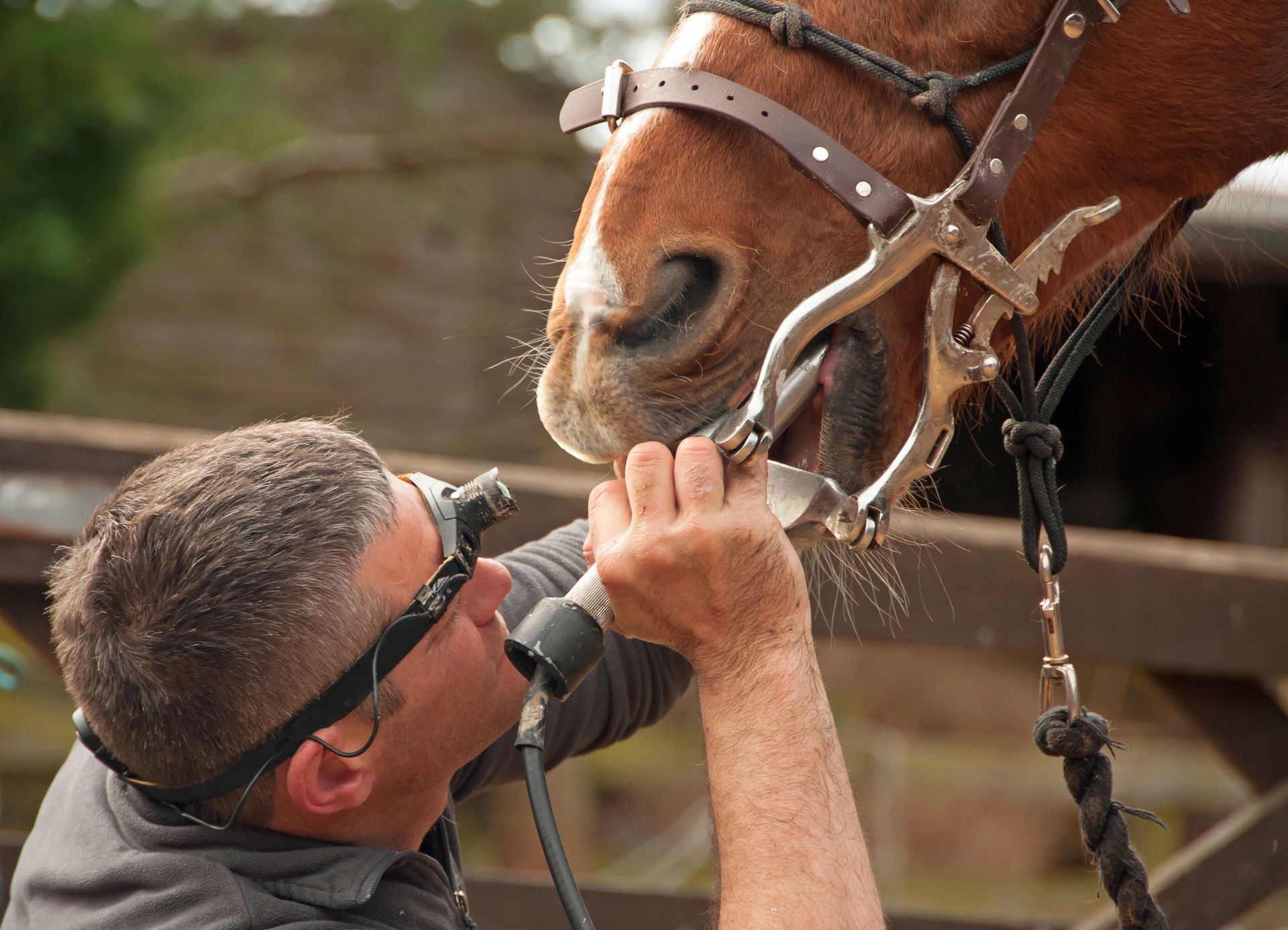
Maintaining a horse's health involves more than providing adequate food, clean water, exercise, and shelter. Dental health is another important part of routine care because a horse relies on its teeth to chew food properly and maintain good nutrition. Over time, natural tooth wear, uneven surfaces, and other oral health concerns can interfere with normal chewing. Horses may not always show obvious signs of dental discomfort, making regular examinations especially important. Small dental problems can gradually become more complicated when they are overlooked or left untreated. Establishing a consistent schedule for professional evaluations helps owners recognize potential concerns before they affect a horse's overall well-being. Quality horse services can support preventative care by making dental health an important part of a broader approach to animal wellness. Understanding the benefits of routine dentistry can help horse owners make informed decisions about maintaining their animals' comfort, nutrition, and long-term health.
Recognizing Early Signs of Dental Problems
Horses experience natural changes in their teeth as they grow older and continue chewing throughout their lives. Their teeth gradually wear down, but uneven wear can create sharp edges that irritate the cheeks and tongue. These sharp areas may make chewing uncomfortable and cause a horse to avoid certain foods. Owners might notice changes in eating habits, excessive drooling, dropping partially chewed food, or unusual head movements. Some horses may also become reluctant to accept a bit or show resistance during riding activities. Regular dental examinations help identify these warning signs before they interfere with everyday routines. Professional horse services can provide additional support when owners need guidance about recognizing oral health concerns and arranging appropriate evaluations. Addressing dental problems early can help prevent unnecessary discomfort and make it easier for horses to maintain normal eating habits.
Improving Chewing and Food Breakdown
Proper chewing is essential because it helps break food into smaller pieces before it moves through the digestive system. Horses depend on their teeth to grind hay, grass, and other feed into manageable particles. When dental problems interfere with this process, food may not be broken down as effectively. Sharp enamel points, uneven wear, and missing teeth can make chewing difficult or uncomfortable. Horses experiencing these issues may swallow larger pieces of food or spend more time eating than usual. A veterinary dental examination can help determine whether adjustments or additional treatment are needed to improve chewing function. Consistent horse services that include appropriate dental attention can help owners stay informed about changes affecting their animals' ability to process food. Maintaining healthy chewing habits supports better feeding routines and contributes to overall digestive wellness.
Supporting Better Nutrition and Body Condition
A horse needs adequate nutrition to maintain energy, muscle development, and a healthy body condition. Dental discomfort can make it difficult for an animal to eat enough food to meet its nutritional requirements. Some horses may begin avoiding hay or harder feed because these materials require more chewing effort. Others may lose weight gradually without showing obvious signs that dental problems are contributing to the change. According to Equine Chronicle, the horse and equine services industry in the United States supports approximately 2.2 million jobs nationwide. This figure highlights the significant role that equine care and related services play throughout the country. Routine dental evaluations can help owners identify oral health concerns that may interfere with consistent food intake. Appropriate horse services can also help owners understand the importance of combining dental attention with suitable feeding practices and general wellness monitoring.
Reducing Discomfort During Daily Activities
Dental health affects more than a horse's ability to eat comfortably. Oral discomfort can also influence behavior, training, and the way an animal responds to handling. Horses with sharp dental points or other oral concerns may become sensitive when a bridle or bit places pressure inside their mouths. Some may resist having their heads handled, toss their heads frequently, or become unusually difficult to guide during riding. These behavioral changes should not automatically be attributed to training problems because physical discomfort may be involved. A professional examination can help determine whether dental conditions are contributing to the horse's behavior. Regular horse services that address preventive health needs can help owners recognize concerns that might otherwise go unnoticed. Maintaining oral comfort can make everyday handling, feeding, and riding activities more pleasant for both horses and their handlers.
Preventing Complications Through Routine Examinations
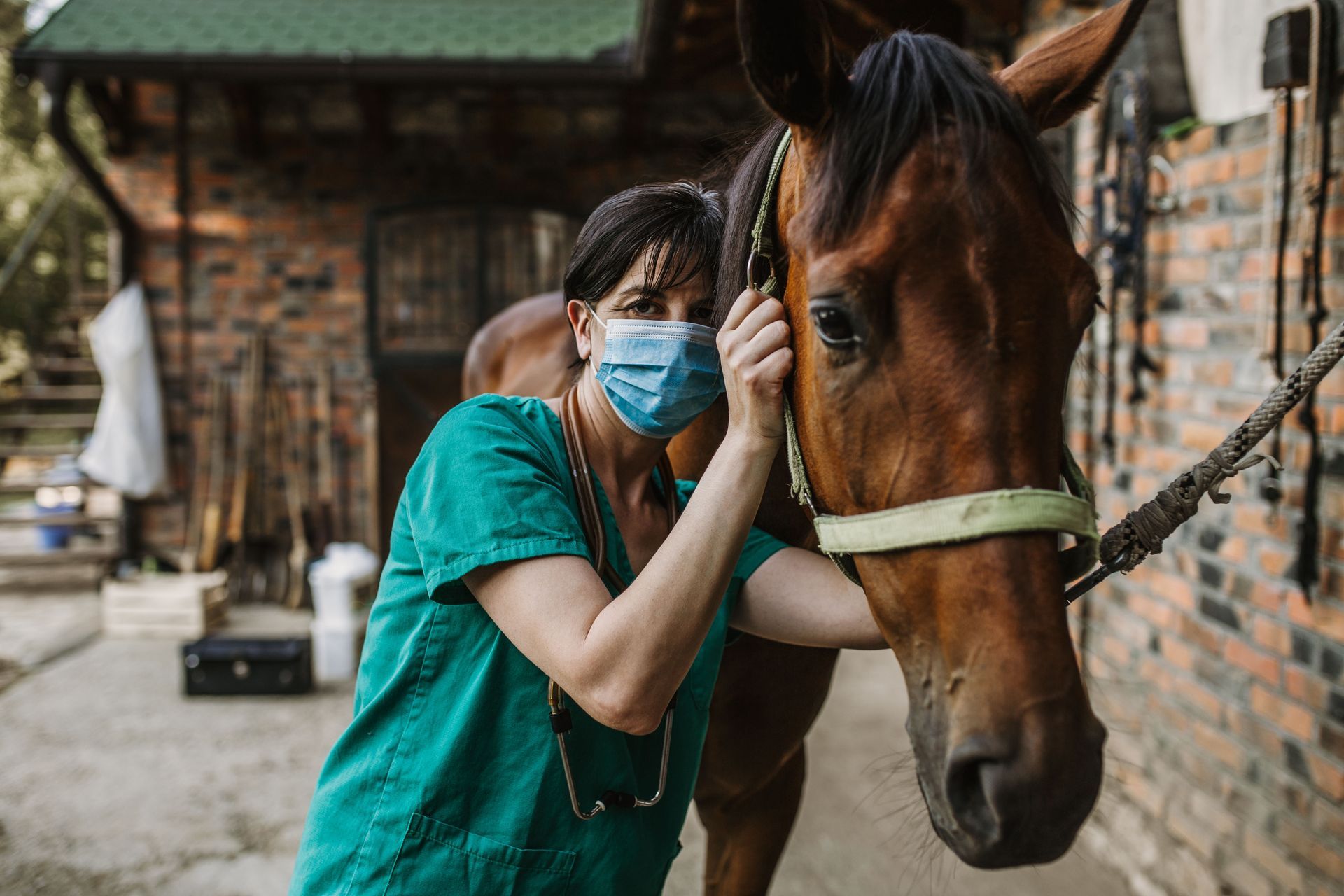
Waiting until a horse shows noticeable signs of dental discomfort can allow certain problems to progress. Routine examinations provide an opportunity to evaluate tooth alignment, wear patterns, gum condition, and other aspects of oral health. The appropriate examination schedule depends on factors such as the horse's age, dental history, and individual needs. Younger horses may require attention as their adult teeth develop, while older animals can experience additional challenges related to tooth wear and tooth loss. Veterinary professionals can recommend an examination schedule based on these considerations. Consistent horse services help owners make preventive care a regular responsibility instead of waiting for an obvious problem to develop. Keeping track of previous dental findings can also make it easier to recognize changes during future appointments. Early attention may help reduce discomfort and prevent minor concerns from becoming more difficult to manage.
Maintaining Long-Term Equine Wellness
Dental care works best when it is considered alongside the other responsibilities involved in maintaining a horse's health. Balanced nutrition, appropriate exercise, clean living conditions, and regular veterinary evaluations all contribute to overall wellness. Owners should pay attention to changes in appetite, weight, chewing patterns, and behavior because these observations can provide useful information about an animal's condition. Maintaining accurate health records can also help identify recurring concerns and track changes over time. Dental findings may influence feeding recommendations, particularly when a horse has difficulty chewing certain types of hay or feed. Professional guidance can help owners make practical adjustments without overlooking other nutritional requirements. Reliable horse services can support a more organized approach to preventative care by helping owners understand the different factors that contribute to equine wellness. Taking these responsibilities seriously can help horses remain comfortable and maintain healthier daily routines as they age.
Making Dental Care a Consistent Priority
Horse owners can make dental health easier to manage by establishing consistent care routines and paying attention to early warning signs. Regular observations during feeding and grooming may reveal changes that deserve professional attention. Owners should watch for dropped feed, difficulty chewing, unusual mouth movements, and unexplained weight changes. These symptoms do not always indicate a dental problem, but they provide good reasons to arrange an examination. Professional evaluations can help determine whether a horse needs routine maintenance or more specialized treatment. Following recommended care schedules also reduces the likelihood of overlooking developing oral health concerns. Incorporating horse services into an established wellness routine allows owners to approach dental care with greater consistency. A proactive attitude toward oral health can contribute to better nutrition, improved comfort, and a more positive quality of life for horses.
Support Your Horse's Health With Consistent Care
Routine horse dentistry is an important part of maintaining proper nutrition, comfortable chewing, and overall wellness. Recognizing early warning signs and arranging regular examinations can help owners address dental concerns before they interfere with everyday activities. Healthy teeth make it easier for horses to process their feed, maintain their body condition, and participate comfortably in their usual routines. NOB, or no-obligation discussions about available care options, can help owners take the first step toward understanding their animals' needs. Callaghan Road Animal Hospital can be contacted to discuss available animal care services and determine the appropriate support for your horse's health needs. Contact us today to learn more about available services and make your animal's well-being a priority.